
Acne : Prevalence, Impact, and Management
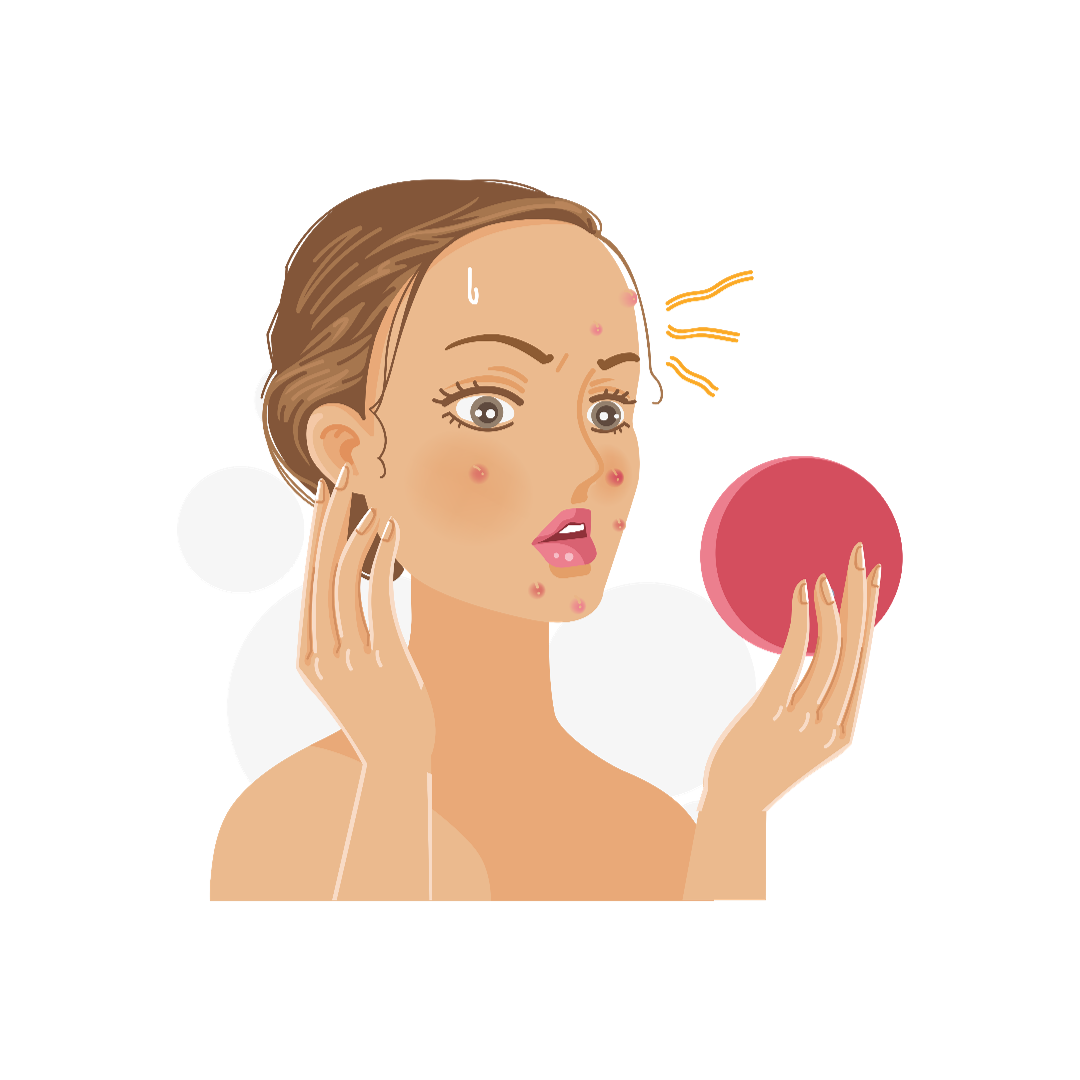
Acne – It is a common skin condition which mainly occurs when hair follicles get clogged with oil and dead skin cells. It often starts from the formation of pimples, blackheads, whiteheads, cysts, or nodules on the skin. It mainly affects face, neck, chest, back and shoulders because these areas have higher density of oil glands.
Several factors contribute to the development of acne, including :
1. Excess oil production : Increased production of oil (sebum) by the sebaceous glands can lead to clogged pores and acne.
2. Clogged pores : When skin cells and oil build up and block the hair follicles, it creates an environment for acne-causing bacteria to thrive.
3. Bacteria : Propionibacterium acnes. This bacteria lives on the skin and bacteria multiplies in clogged pores, which leads to acne formation along with inflammation.
4. Hormonal changes : Fluctuations in hormone levels, especially during puberty, menstruation, pregnancy, or when taking certain medications, can contribute to acne by increasing oil production.
5. Genetics : Acne can run in families, suggesting a genetic predisposition to the condition.
The severity of acne can vary from mild, consisting of a few occasional pimples or blackheads, to severe, with widespread lesions and nodules that may cause scarring. Treatment options for acne depend on its severity and may include topical treatments (creams, gels), oral medications, hormonal therapy, and in severe cases, procedures like chemical peels, laser therapy, or extraction of large cysts.
What are the different types of Acne ?
It’s mainly classified on the condition and characteristics of lesions.
Types of acne are given below
1. Comedones. 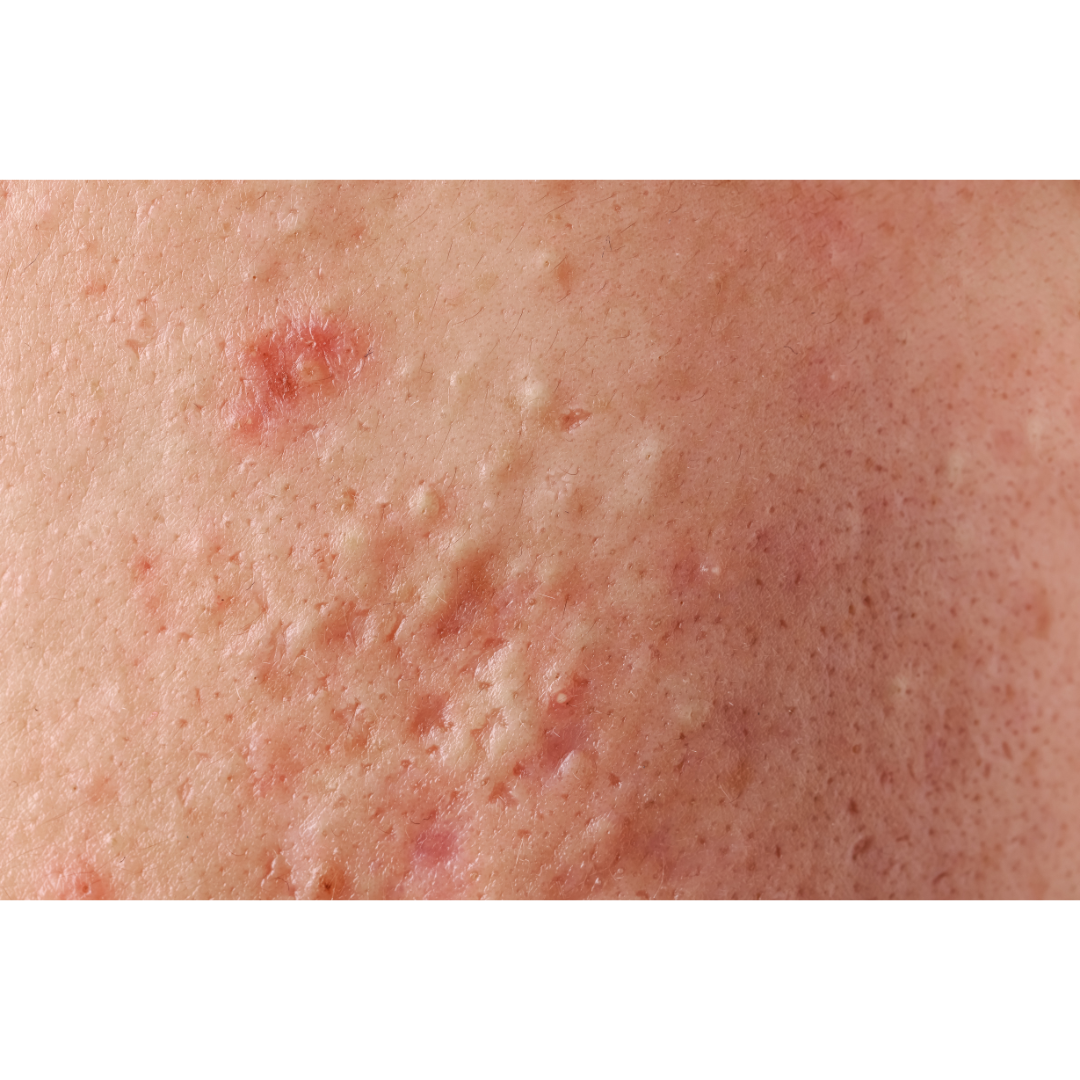
– Blackheads (open comedones) – These are small, dark bumps that appear on the skin’s surface when pores become clogged with oil and dead skin cells. The black color is not dirt but rather oxidized melanin.
– Whiteheads (closed comedones) – These are similar to blackheads but have a closed surface. They occur when the follicle opening is blocked, causing a white or flesh-colored bump.
2. Papules 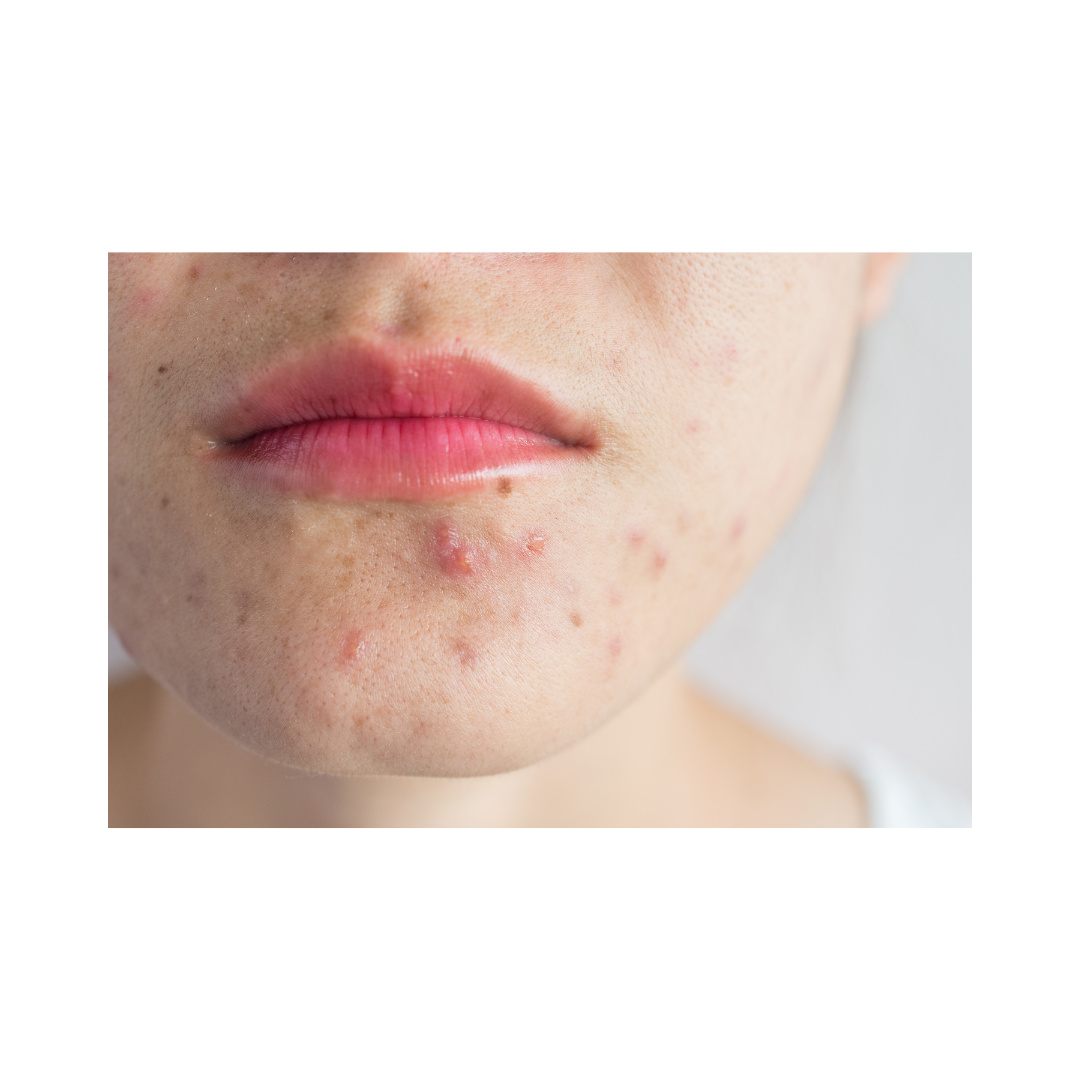
Small, raised, red bumps without a visible centre of pus. These results due to infection in the hair follicles which are tender to touch along with inflammation.
3. Pustules 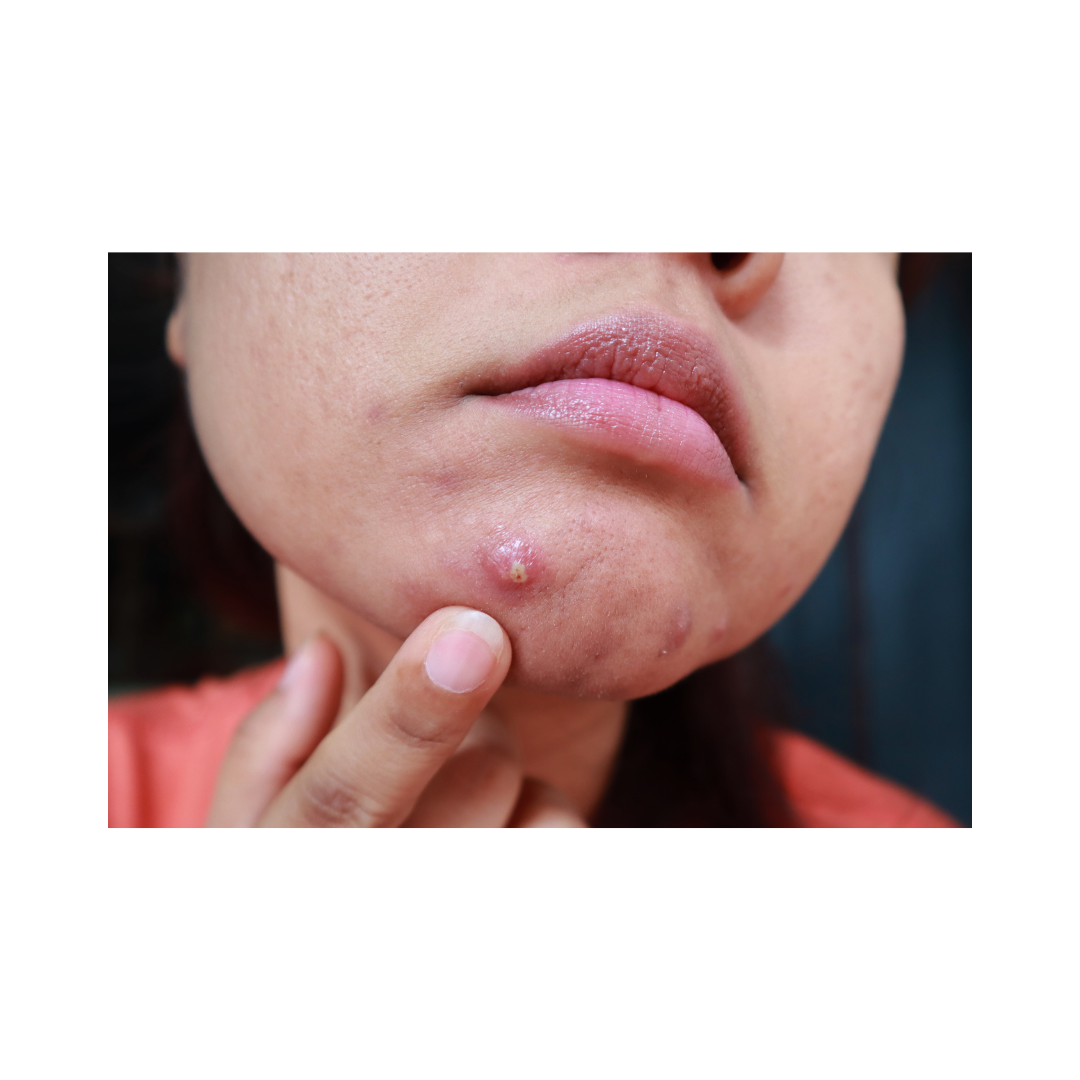
Red bumps with a visible centre of pus. They are often tender and can be filled with yellow or white pus.
4. Nodules 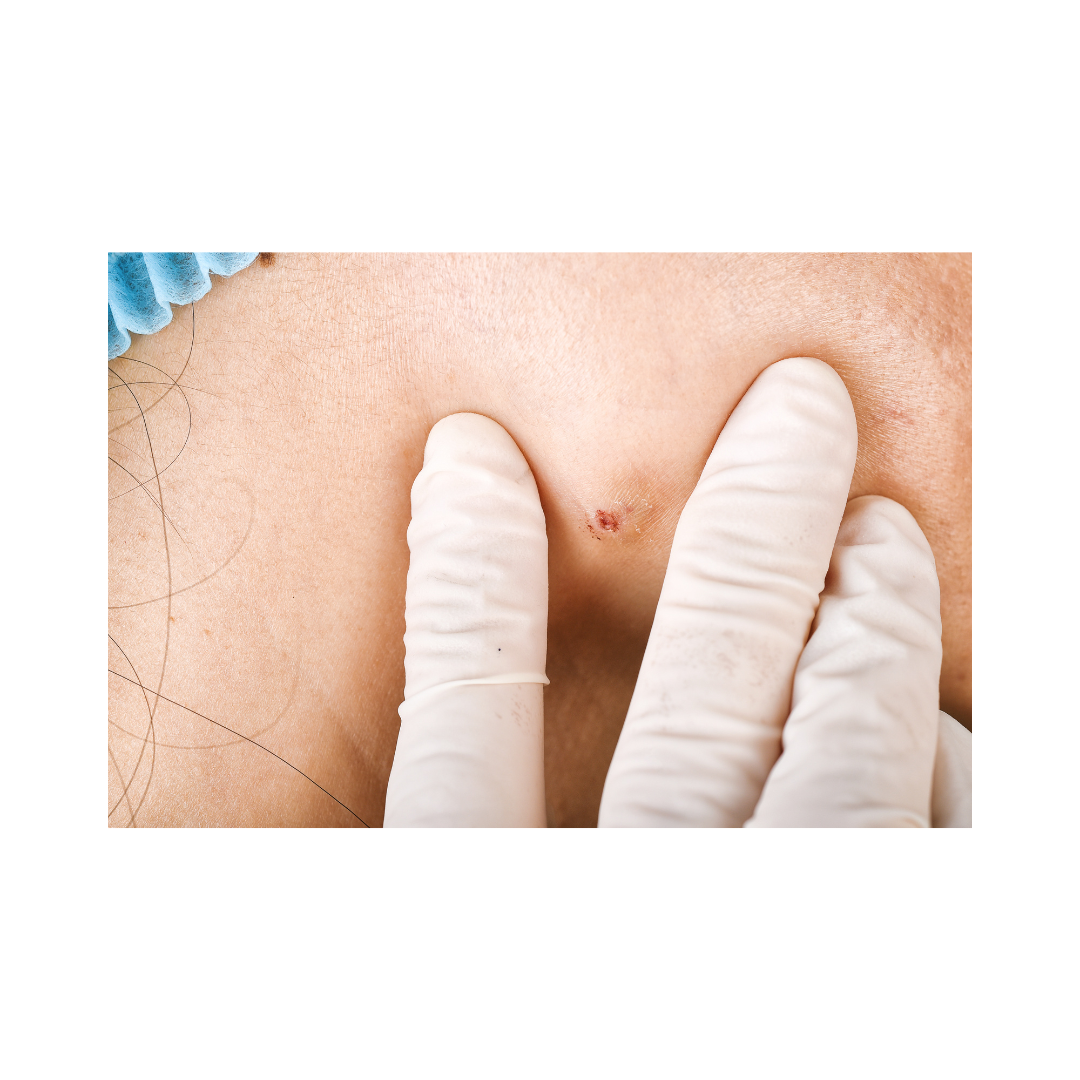
Large, solid, painful lumps beneath the surface of the skin. They develop when clogged, swollen pores cause deeper tissue inflammation.
5. Cysts 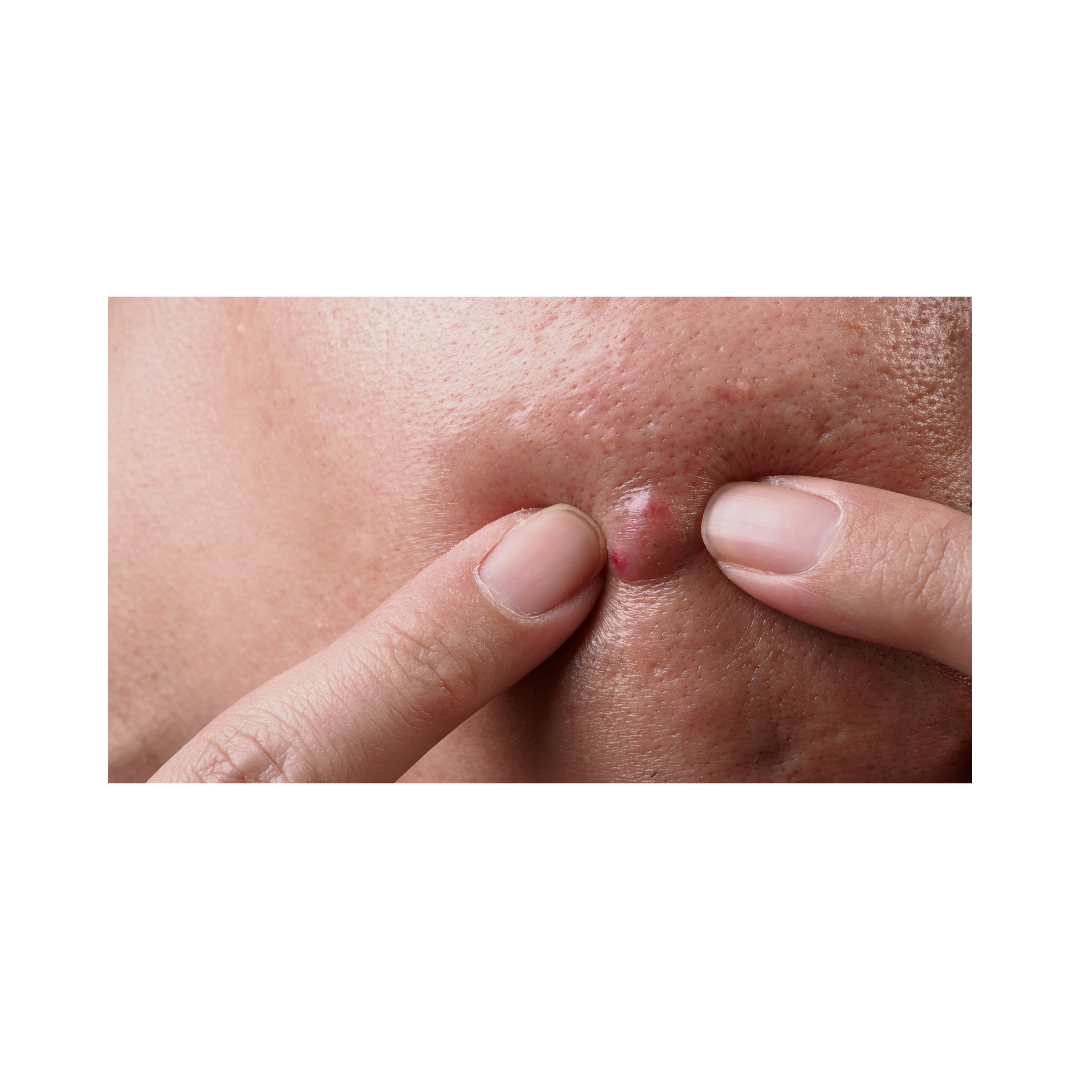
Deep, pus-filled, painful lesions that resemble boils. They are mainly larger than pustules and nodules with leads to scarring. Cystic acne is the one of the most severe form of acne
6. Acne Rosacea 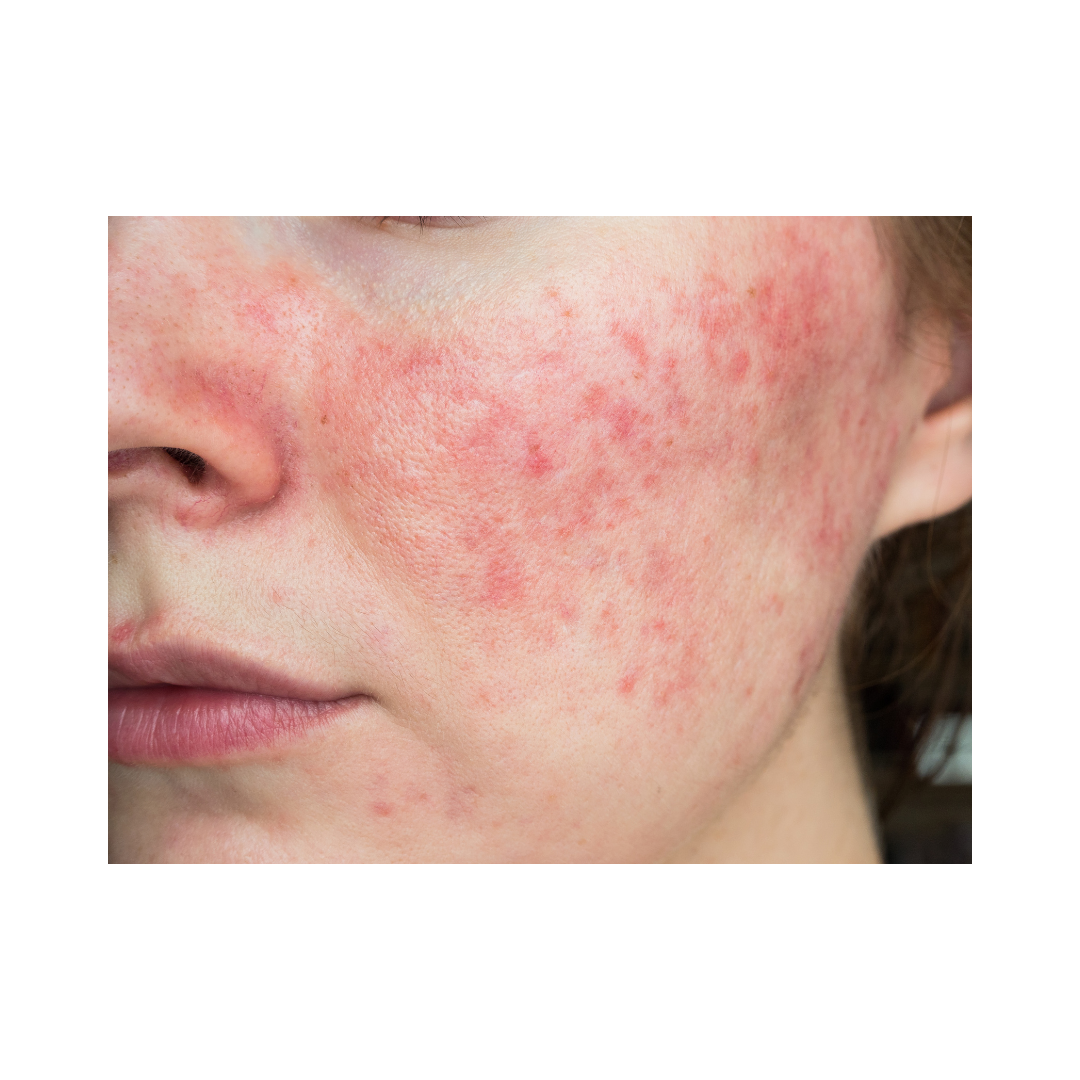
This condition resembles acne but typically affects middle-aged adults. It causes redness, flushing, visible blood vessels, and sometimes small, red, pus-filled bumps on the face.
7. Acne Mechanica 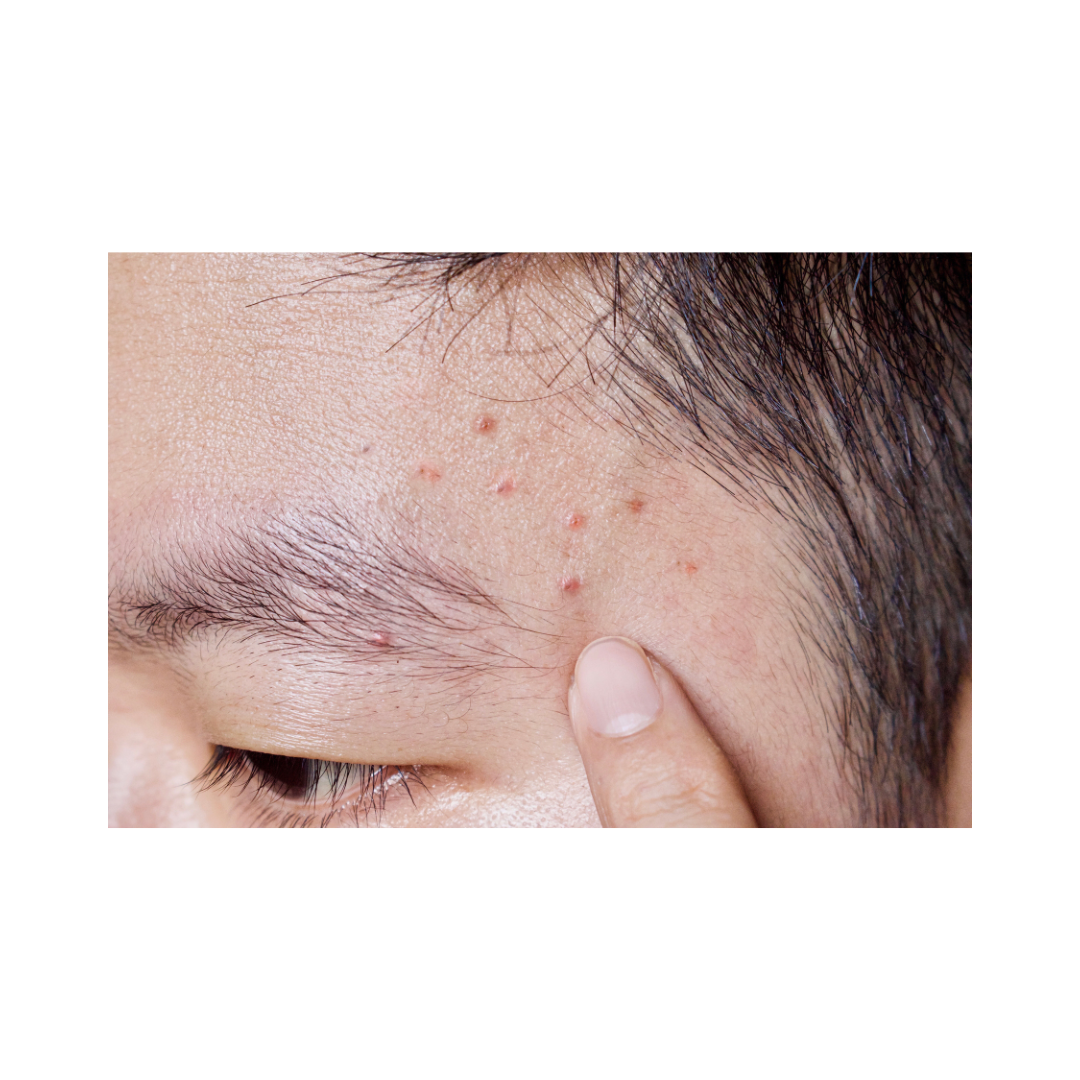
This type of acne is caused by friction, pressure, or heat against the skin. It is mainly seen in Athlete’s wearing tight sports equipment or clothing which traps sweat.
What is Cystic Acne ?
Cystic acne is severe form. It is mainly deep, inflamed and painful cysts or nodules which develop beneath the skin. These are deeper and larger than typical blackheads, whiteheads or pimples. It mainly occurs when pores become blocked with leads to accumulation of oil, bacteria, dead skin cells deep within the skin.
Key characteristics of cystic acne include:
1. Large, painful cysts are pus filled with deep tender lesions causing pain and discomfort.
2. Inflammation and redness : The affected area is usually red, swollen, and can sometimes feel warm to the touch due to the intense inflammation.
3. Risk of scarring : Cystic acne lesions can lead to scarring, as they are deeper and more likely to damage surrounding skin tissue when they rupture or heal.
Cystic acne can impact self esteem of the person and quality of life due to its severity and potential for scarring. It commonly affects the face but can also appear on the neck, chest, back, and shoulders, areas where there’s a high concentration of oil glands.
Causes of cystic acne are similar to other forms of acne, involving factors like excess oil production, clogged pores, bacteria (specifically Propionibacterium acnes), hormonal changes, genetics, and inflammation.
Treatment for cystic acne typically involves a combination of oral medications, such as antibiotics, retinoids, hormonal therapy (such as oral contraceptives in females), and in severe cases, isotretinoin (commonly known as Accutane).
What are the causes and Triggers of Cystic Acne ?
It includes hormonal fluctuations, excess oil production, bacteria, genetics, inflammation etc. It can be triggered due to stress, medications, diet and environmental factors
What are the impacts of Cystic Acne ?
Because of the severity of the lesions, cystic acne can leave lifelong scars and cause emotional anguish, low self-esteem, anxiety, and depression which can have a substantial influence on mental health.
What are the treatment options for Cystic Acne ?
It can be treated by oral medications, topical creams, isotretinoin, and in severe cases, procedures like drainage and corticosteroid injections.
Who are mainly affected by Acne ?
Acne does not discriminate and affects individuals across age groups, though teenagers and young adults are more susceptible.
What is the Prevalence of Acne ?
It’s a worldwide issue affecting a significant portion of the global population, irrespective of ethnicity or geographical location.
What areas are easily affected by Acne ?
It mainly affects face, neck, chest, back and shoulders because these areas have higher density of oil glands.
What are the basic symptoms of Acne ?
Symptoms can range from Pimples, blackheads, whiteheads, cysts, to nodules, etc.
What are the causes of Acne ?
Causes which contribute to acne include excess oil production, clogged pores, bacterial infections, hormonal changes, and genetic predispositions.
What triggers Acne ?
Certain foods, hormonal fluctuations, stress, and environmental factors can trigger or exacerbate acne.
Diagnosis and tests for Acne
Proper diagnosis can be gathered by healthcare professionals which is vital for effective treatment and management.
Diagnosing Acne
Healthcare providers diagnose acne based on physical examination and patient history.
Acne Treatment Methods
Topical treatments, oral medications, antibiotics, and home remedies form the primary treatment modalities.
How can we prevent Acne ?
Acne can be prevented by maintaining a healthy skincare routine, managing stress, a balanced diet, and avoiding triggers can help prevent acne.
Prognosis
Understanding the outlook for individuals with acne and its potential impacts is crucial for seeking appropriate care.
How it impacts on Mental Health ?
It can affect mental health, leading to anxiety, depression, and low self-esteem.
In severe cases, acne may cause scarring, emphasizing the importance of early and effective treatment.
Conclusion
Acne, can have far-reaching impacts on individuals’ lives. Understanding its causes, available treatments, preventive measures, and mental health implications is crucial for effective management and improved quality of life.
To know more about Skincare Routine for Different Skin Types – Click Here
Ellicura Clinic
It’s online Homoeopathic consultation platform for complete and holistic approach with our best doctors towards treating skin disorders in most harmless and healthy way with no side effects and easy application of remedies.