
Skin care products for different skin types 
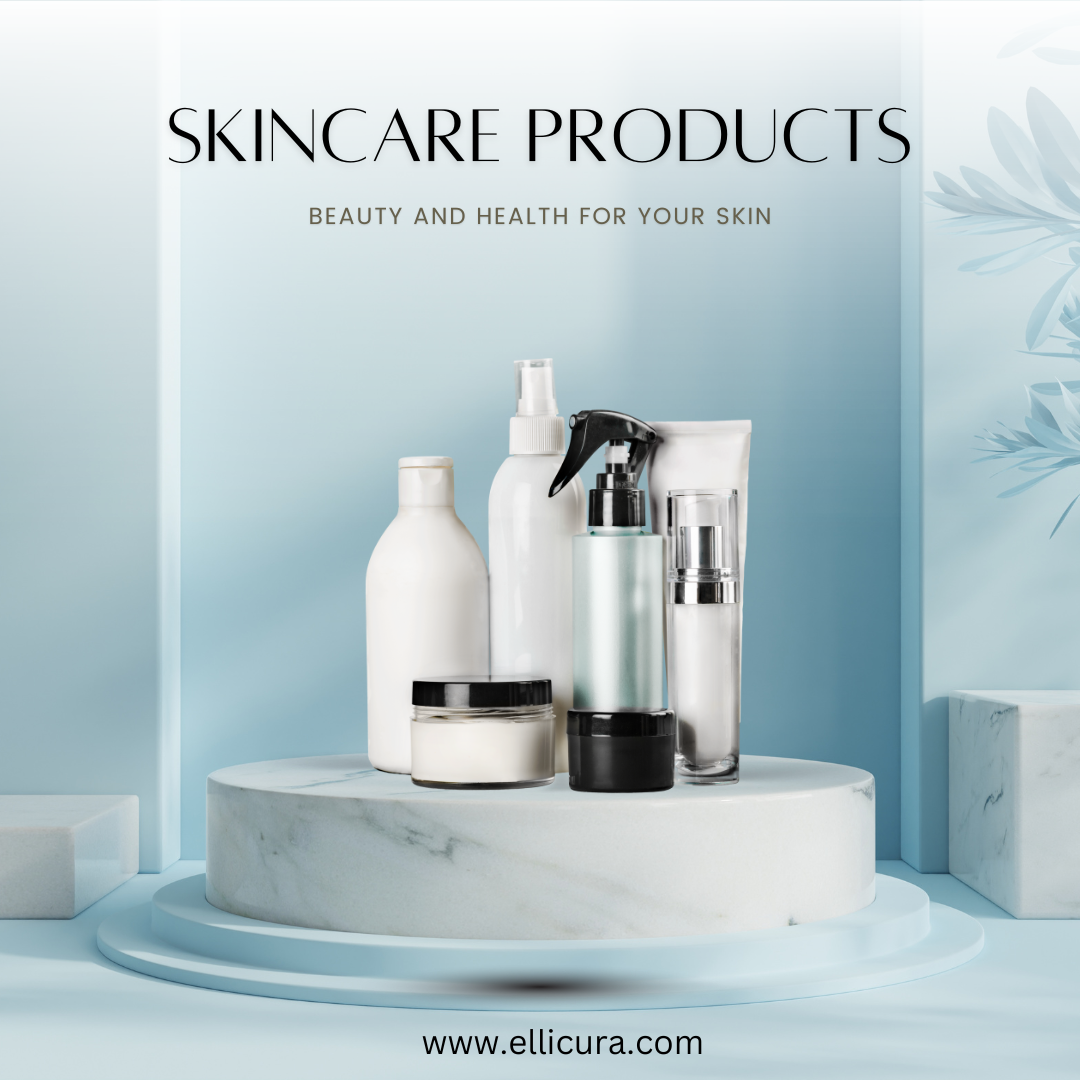
| Skincare Product | Skin Type | Composition | Uses | Effects | Side Effects |
| Cleanser | All | Water, Glycerin, Surfactants | Removes dirt, oil, and makeup | Cleanses skin, removes impurities | Dryness, irritation |
| Moisturizer | Dry | Hyaluronic Acid, Glycerin, Ceramides | Hydrates and nourishes dry skin | Softens skin, reduces dryness | Greasiness, clogged pores |
| Toner | Oily | Witch Hazel, Salicylic Acid | Controls oil, tightens pores | Controls shine, balances skin | Irritation, dryness |
| Sunscreen | All | Zinc Oxide, Titanium Dioxide | Protects from UV rays | Prevents sunburn, reduces risk of skin cancer | Allergic reactions, stinging |
Cleanser
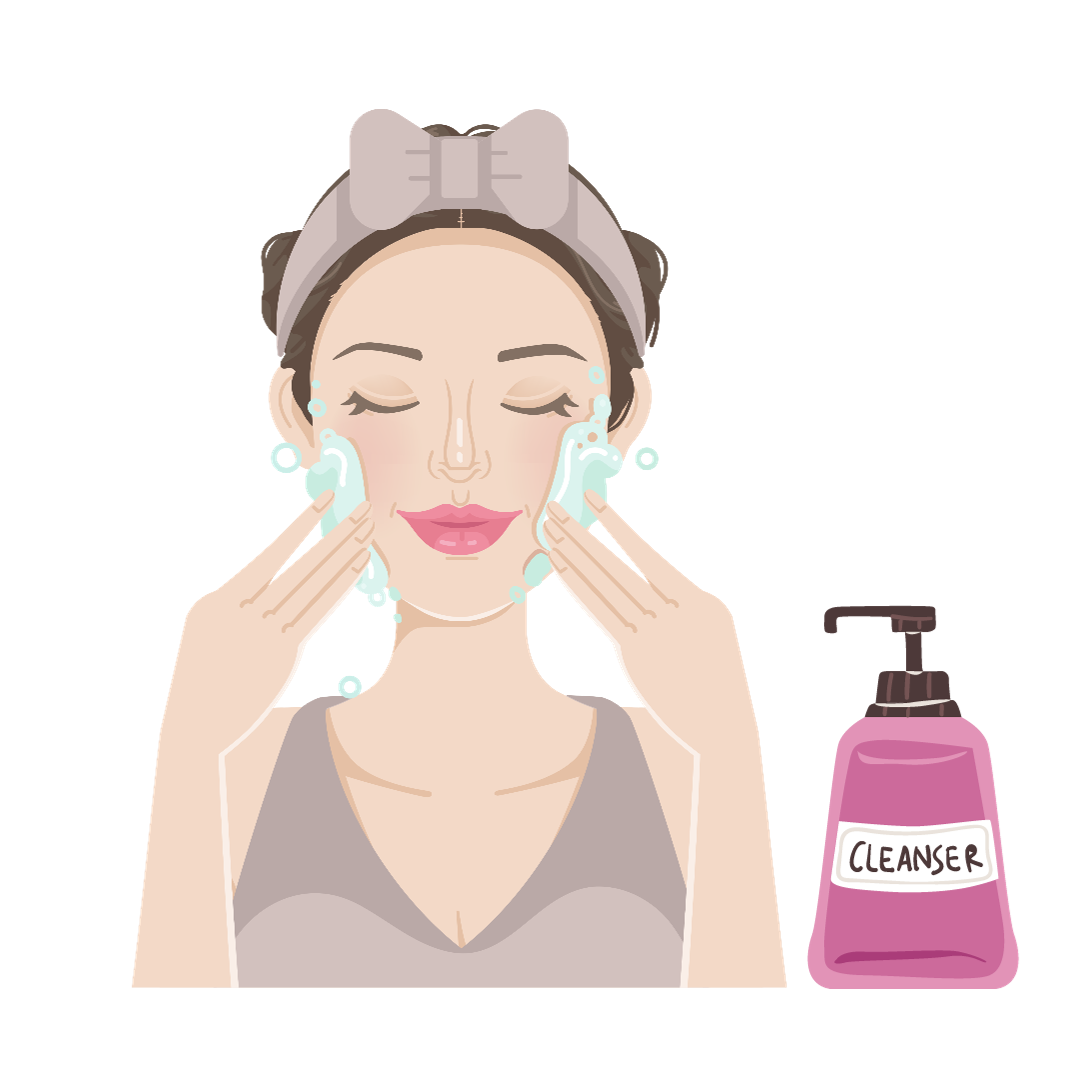
Nowdays Cleanser play major role for skin routine. It is mainly designed or created to remove dirt, oil, makeup, and remove impurities from the skin. Cleansers play major role in today’s environment and lifestyle for maintaining skin health by clearing pores and make skincare product to act more effectively.
Composition : –
Cleansers come in various formulations, including gels, foams, creams, oils, or balms. Their compositions can vary widely based on the specific product and brand.
Some ingredients in cleanser are given below –
1. Surfactants – These are cleansing agents that help to break down oil, dirt, and makeup, allowing them to be rinsed away with water. For ex. sodium lauryl sulphate, sodium laureate sulphate, coco-glucoside etc.
2. Humectants – Some cleansers contain humectants like glycerin or hyaluronic acid that help attract moisture to the skin, preventing it from becoming overly dry during the cleansing process.
3. Emollients – These ingredients, such as oils or fatty acids, can help hydrate and soften the skin, preventing excessive drying after cleansing.
4. Botanical Extracts or Essential Oils – Some cleansers incorporate botanical extracts or essential oils known for their soothing or antioxidant properties. These may include ingredients like Chamomile, Green Tea, Aloe vera or Lavender.
Uses :-
Cleansers are used to remove impurities from the skin, such as –
– Dirt and environmental pollutants that accumulate on the skin’s surface.
– Excess oils produced by the skin (sebum).
– Makeup residues.
– Dead skin cells.
Effects :-
When used correctly, cleansers effectively cleanse the skin, leaving it feeling fresh, clean, and ready for subsequent skincare products and prevent clogged pores, breakouts. etc.
Side Effects :-
While cleansers are generally safe for most skin types, some individuals might experience side effects such as:
– Dryness or Tightness :- Some cleansers, especially those with harsher surfactants, can strip the skin of its natural oils, leading to dryness or a feeling of tightness.
– Irritation :- Ingredients or fragrances in cleansers might irritate sensitive skin, causing redness, itching, or a burning sensation.
– Allergic Reactions : Some individuals may be allergic to specific ingredients present in cleansers, resulting in allergic reactions such as rashes or hives.
Choosing the Right Cleanser :-
It’s essential to select a cleanser suited to your skin type –
Dry Skin – Look for creamy or hydrating cleansers that contain moisturizing ingredients.
Oily Skin – Foaming or gel-based cleansers with ingredients like salicylic acid may help control excess oil.
Sensitive Skin – Fragrance-free and gentle cleansers without harsh surfactants might be suitable.
Moisturiser
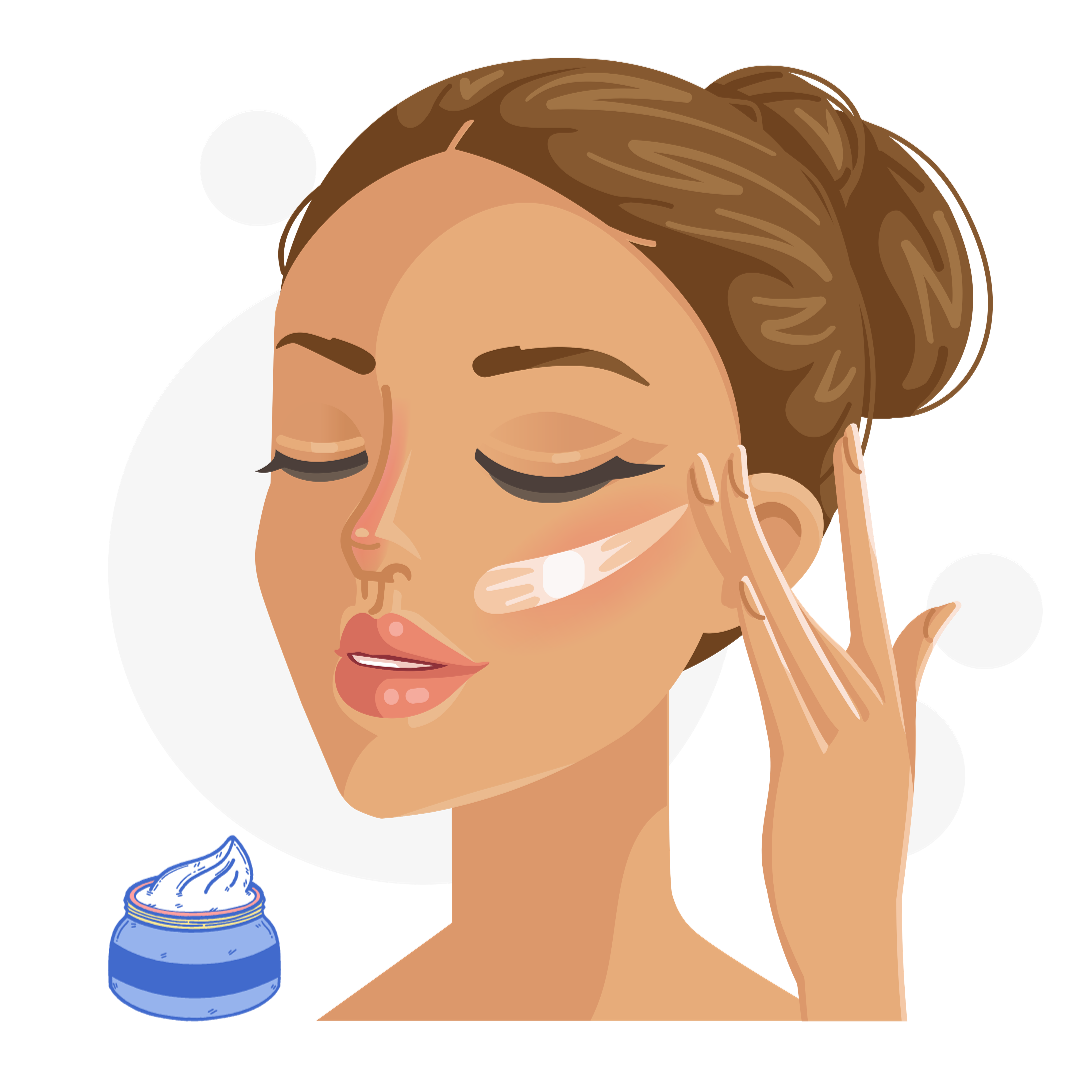
Moisturizer hydrates skin, prevents dryness, softens, and protects with humectants, emollients, and occlusives in various formulations for all.
Composition :-
Moisturisers consist of various ingredients that serve different purposes :-
1. Humectants : These ingredients attract moisture to the skin and help retain it. Common humectants are glycerin, hyaluronic acid, and sorbitol.
2. Emollients : Emollients are substances that fill in the spaces between skin cells, making the skin feel smoother and softer. These include oils like jojoba oil, almond oil, and shea butter.
3. Occlusives : These ingredients create a protective barrier on the skin’s surface, preventing moisture loss. Occlusives can include petrolatum, mineral oil, lanolin, or beeswax.
4. Antioxidants and Vitamins : like vitamins C and E, green tea extract, or niacinamide, which can help protect the skin from environmental damage and promote skin repair.
5. Fragrances and Preservatives : Some formulations may contain fragrances or preservatives, although these can potentially irritate sensitive skin.
Uses :-
Moisturizers serve several purposes for the skin –
– Hydration : They replenish moisture in the skin, preventing dryness and maintaining a healthy moisture balance.
– Protection : By forming a barrier, they shield the skin from external aggressors such as pollution and harsh weather conditions.
– Skin Repair : Some moisturizers contain ingredients that aid in repairing the skin’s barrier function, helping to improve its overall health and resilience.
Effects :-
When used regularly and appropriately, moisturizers provide multiple benefits to the skin:
– Softening and Smoothing : Moisturizers smoothen and soften the skin by hydrating and replenishing moisturiser.
– Reduced Dryness : Moisturizers alleviate dry skin, preventing flakiness, itchiness, and discomfort.
– Improved Skin Texture : Regular use can improve the overall texture and appearance of the skin, making it look healthier and more radiant.
Side Effects :-
While moisturizers are generally safe for most skin types, some individuals might experience side effects such as:
– Clogged Pores : Occlusive ingredients can sometimes clog pores, leading to acne or blackheads, especially in individuals with oily or acne-prone skin.
– Skin Irritation : Fragrances or preservatives in moisturizers may cause irritation, redness, or allergic reactions in sensitive individuals.
Choosing the Right Moisturiser :-
Selecting a suitable moisturiser depends on various factors, including skin type and specific skin concerns :-
– Dry Skin : Look for richer, creamier formulations with heavier emollients and occlusives.
– Oily or Acne-Prone Skin : Choose oil-free or non-comedogenic moisturizers that are lighter in texture.
– Sensitive Skin : Fragrance-free, hypoallergenic moisturisers without harsh ingredients are generally preferable
Toner
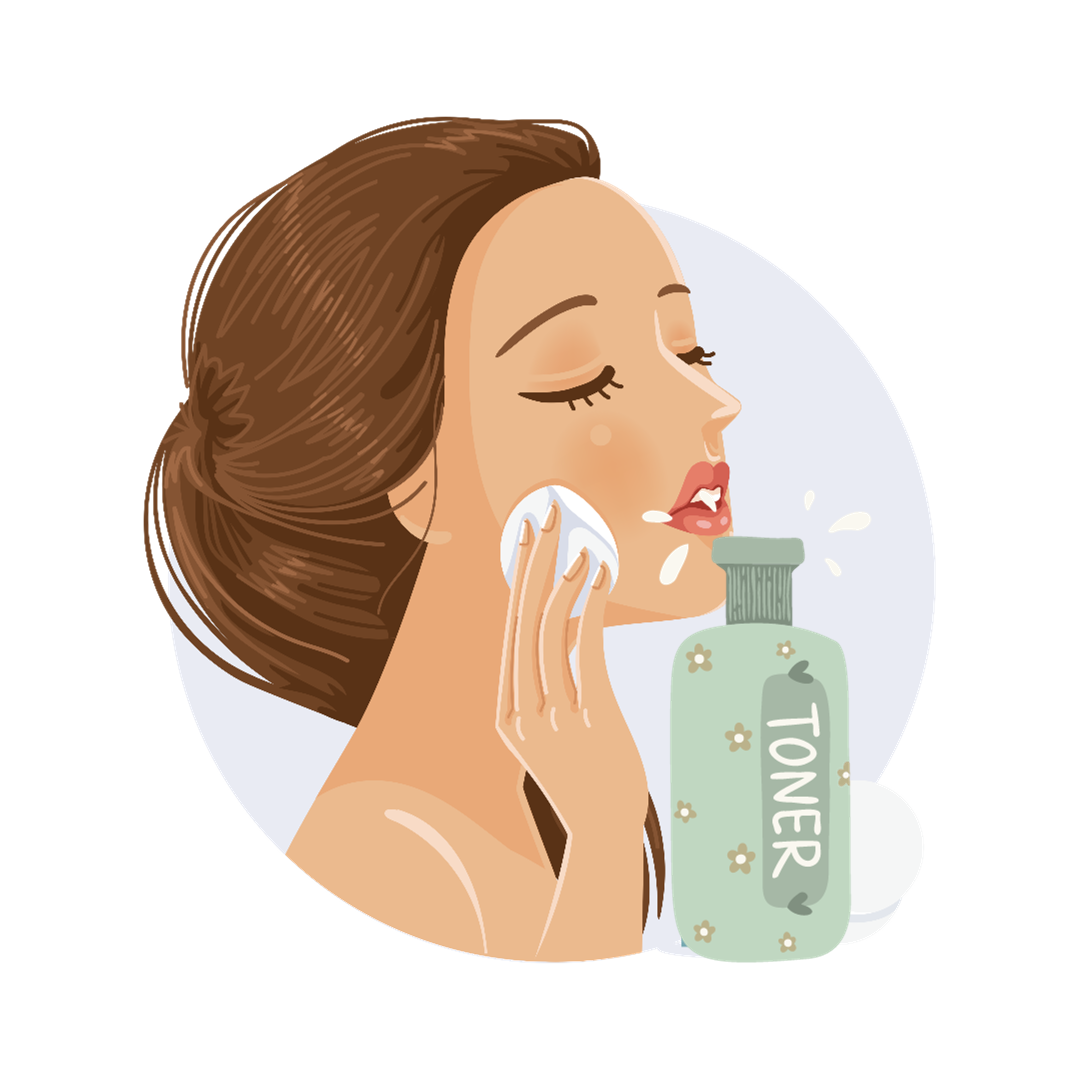
– Toner rebalances skin pH, tightens pores, removes traces of dirt, oil, and makeup, prepping for skincare absorption and refreshment.
Composition :-
Toners contain diverse ingredients based on their intended purposes :
1. Astringents : Some toners include astringent ingredients like witch hazel or alcohol to help tighten pores and remove excess oil.
2. Humectants : Hydrating toners may contain humectants such as glycerin, hyaluronic acid, or aloe vera, which help attract and retain moisture.
3. Antioxidants : Certain toners incorporate antioxidants like vitamin C or green tea extract to protect the skin from free radicals and environmental damage.
4. Botanical Extracts : Ingredients like chamomile, rosewater, or calendula offer soothing and anti-inflammatory properties, suitable for sensitive skin.
5. Chemical Exfoliants : Some toners contain mild exfoliating agents such as alpha hydroxy acids (AHAs) or beta hydroxy acids (BHAs) like glycolic acid or salicylic acid, aiding in the removal of dead skin cells and promoting skin renewal.
Uses :-
Toners offer several benefits for the skin:
– Balancing pH : After cleansing, toners restore the skin’s natural pH, which can be disrupted by alkaline soaps or cleansers.
– Cleansing Residue : Toners help remove any remaining traces of makeup, dirt, or oil that the cleanser might have missed.
– Pore Tightening : Astringent toners temporarily tighten pores, making them appear smaller.
– Prepping the Skin : By lightly hydrating and priming the skin, toners enhance the absorption and effectiveness of subsequent skincare products.
Effects :-
When used correctly for individual skin types, toners provide the following effects:
– Refreshment : They leave the skin feeling refreshed and revitalized after cleansing.
– Improved Skin Texture : Regular use of toners can contribute to a smoother and more even skin texture.
– Enhanced Absorption : By prepping the skin, toners improve the absorption of serums, moisturizers, and treatments.
Side Effects :-
Toners are generally safe for most skin types, but potential side effects might include:
– Dryness or Irritation : Astringent toners, especially those containing alcohol, can be drying or irritating for sensitive or dry skin.
– Over-Exfoliation : Toners with exfoliating acids, if overused, might lead to increased sensitivity or redness.
Choosing the Right Toner :-
Consider your skin type and concerns when selecting a toner:
– Dry or Sensitive Skin : Opt for alcohol-free toners with hydrating or soothing ingredients.
– Oily or Acne-Prone Skin : Astringent or exfoliating toners might help control oil and prevent breakouts.
– Combination Skin : Look for toners that balance oil production without causing dryness.
Sunscreen
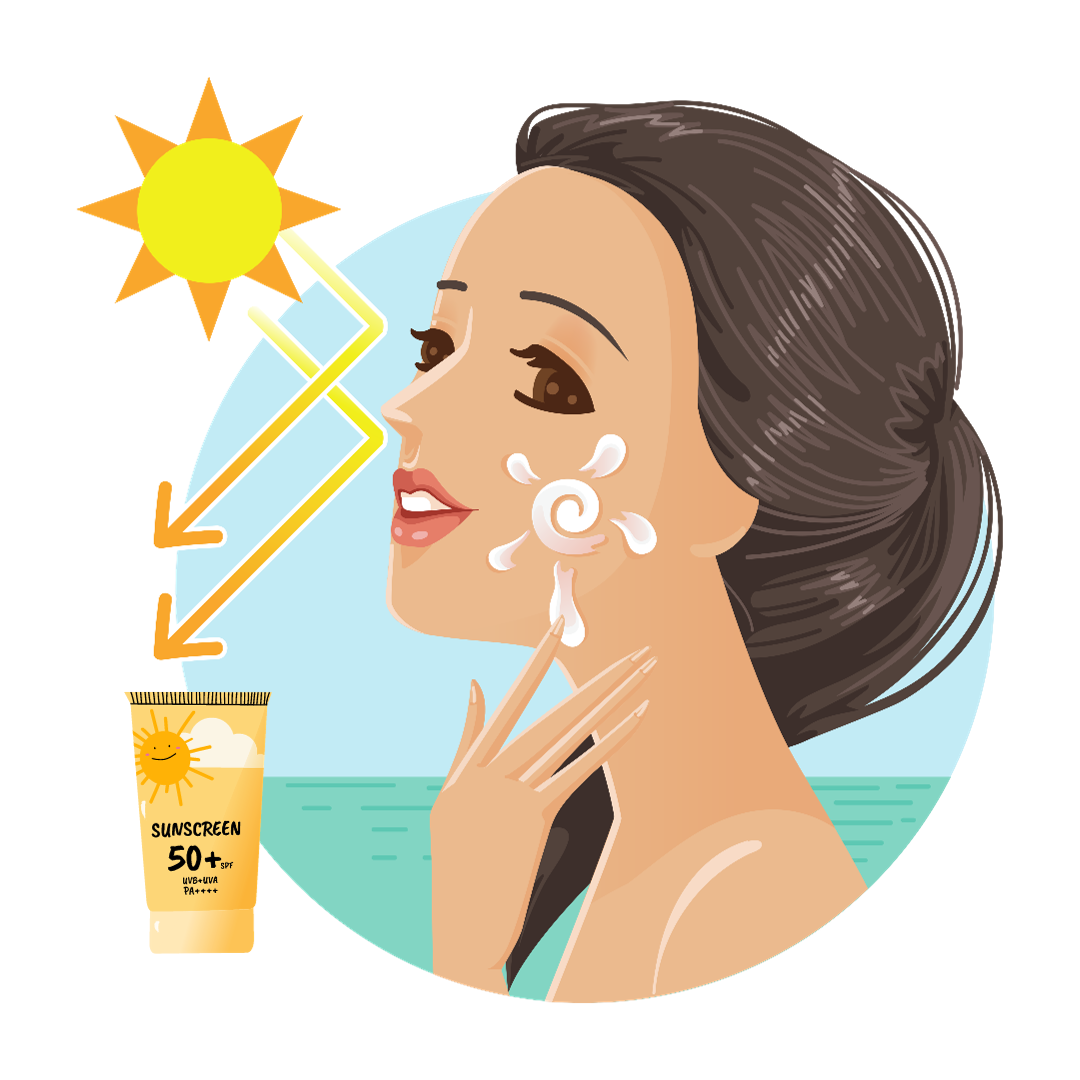
Sunscreen – It is developed to protect the skin from harmful ultraviolet (UV) rays. UV (A and B) rays may lead to sunburn, early aging, and increase the risk of skin cancer.
Composition :-
Sunscreen contains active ingredients that work by either absorbing or reflecting UV radiation. There are two primary types of active ingredients found in sunscreens:
1. Chemical Filters : These absorb UV radiation and convert it into heat that is then released from the skin. Examples include avobenzone, oxybenzone, octinoxate, and octisalate.
2. Physical or Mineral Filters : These work by reflecting and scattering UV rays away from the skin’s surface. Mineral filters include zinc oxide and titanium dioxide.
Sunscreens often contain a combination of these filters, providing broad-spectrum protection against UVA and UVB rays.
SPF and Broad-Spectrum :-
Sun Protection Factor (SPF) is a measure of how well a sunscreen protects against UVB rays, which cause sunburn. The higher the SPF number, the greater the protection. SPF indicates the amount of time it would take for skin to burn compared to without sunscreen. For example, SPF 30 means it would take 30 times longer to burn than without protection.
Uses :-
The primary purpose of sunscreen is to protect the skin from the damaging effects of UV radiation –
– Sun Protection : Shields skin from sunburn, reduces the risk of skin cancer, and prevents premature aging, including wrinkles and dark spots.
– Daily Use : Should be applied daily, even on cloudy days, as UV rays can penetrate clouds and cause skin damage.
Effects :-
When applied and reapplied correctly, sunscreen provides several benefits:
– Sun Protection : Prevents sunburn and reduces the risk of skin cancers, including melanoma, basal cell carcinoma, and squamous cell carcinoma.
– Anti-Aging : Helps prevent premature aging signs such as wrinkles, fine lines, and age spots caused by sun damage.
Side Effects :-
While sunscreen is generally safe, some people might experience:
– Skin Irritation : Certain chemical filters might cause skin irritation or allergic reactions in some individuals.
– Sensitivity or Breakouts : Some sunscreen formulations can clog pores or cause breakouts in acne-prone skin.
Choosing the Right Sunscreen :
Consider the following when selecting a sunscreen –
– SPF Level : Opt for at least SPF 30 or higher for adequate protection.
– Broad-Spectrum : Ensure it provides broad-spectrum protection against UVA and UVB rays.
– Skin Type : Choose formulations suitable for your skin type, such as oil-free for oily skin or moisturizing for dry skin.